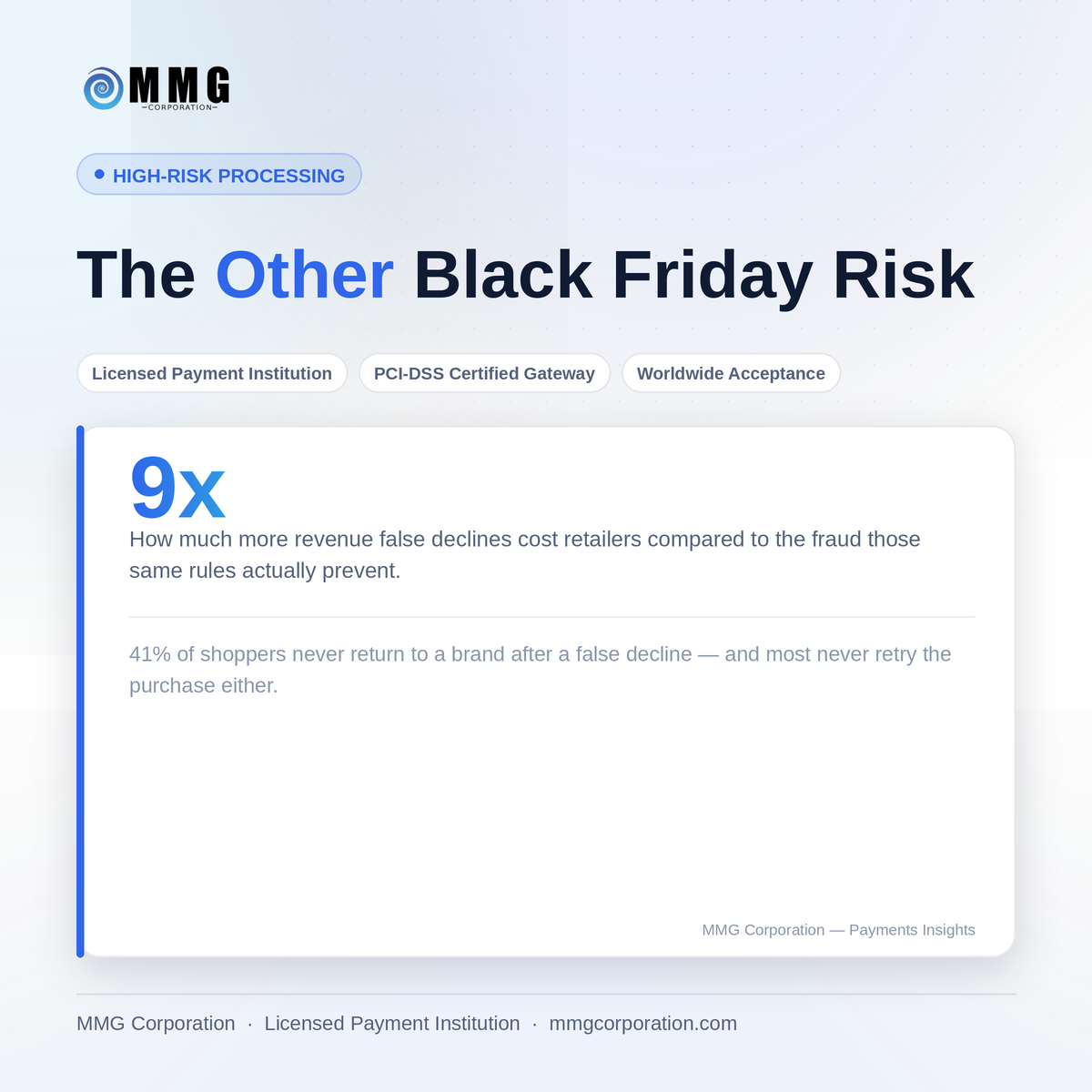
The Other Black Friday Risk: Why False Declines Cost More Than the Fraud You're Blocking
Our piece on Black Friday chargebacks covered the risk that shows up late — disputes that lag orders by four to eight weeks, landing on a ratio
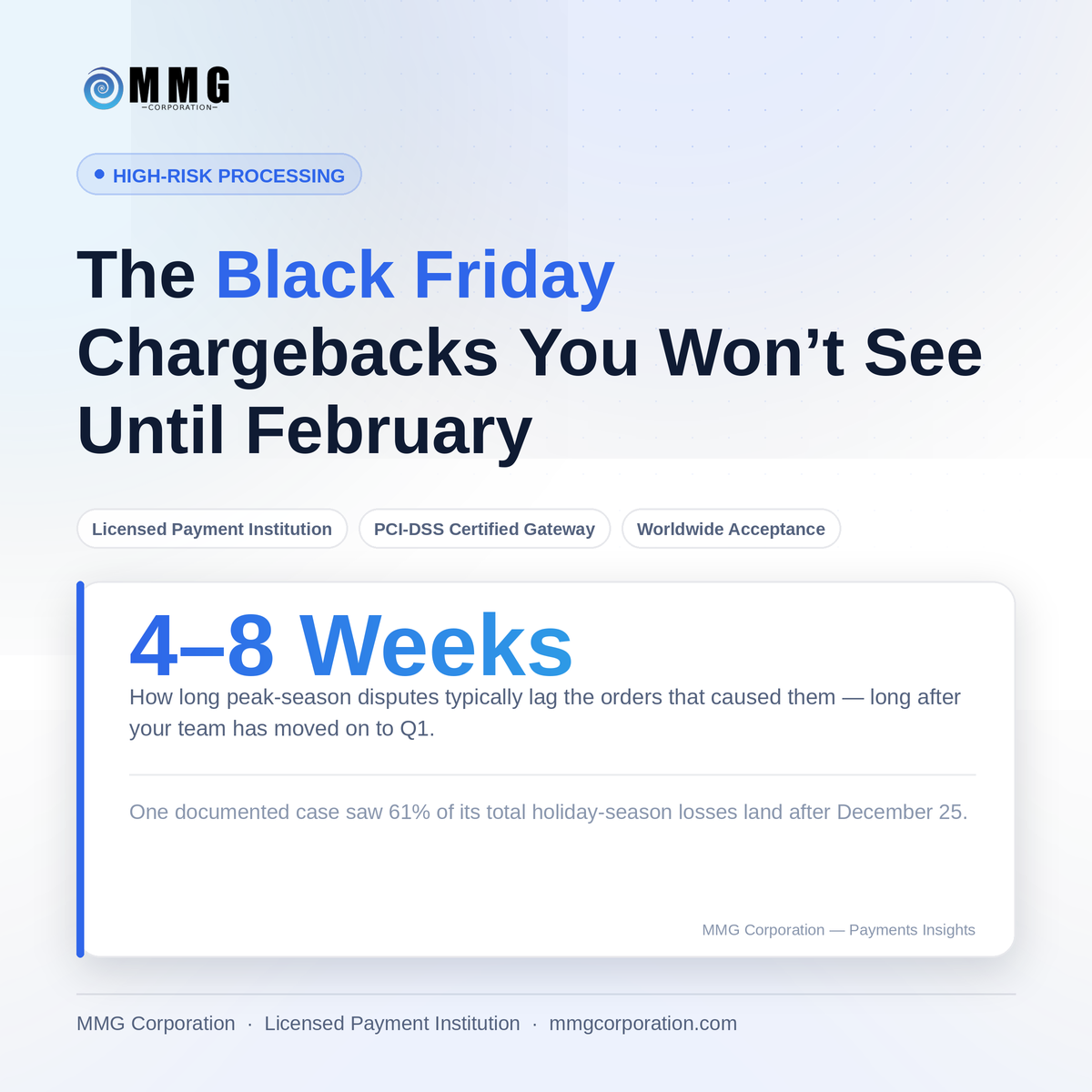
Every Black Friday fraud guide tells you to watch the weekend itself. The damage that actually catches merchants off guard doesn't show up until January and February, on a ratio nobody's watching anymore.
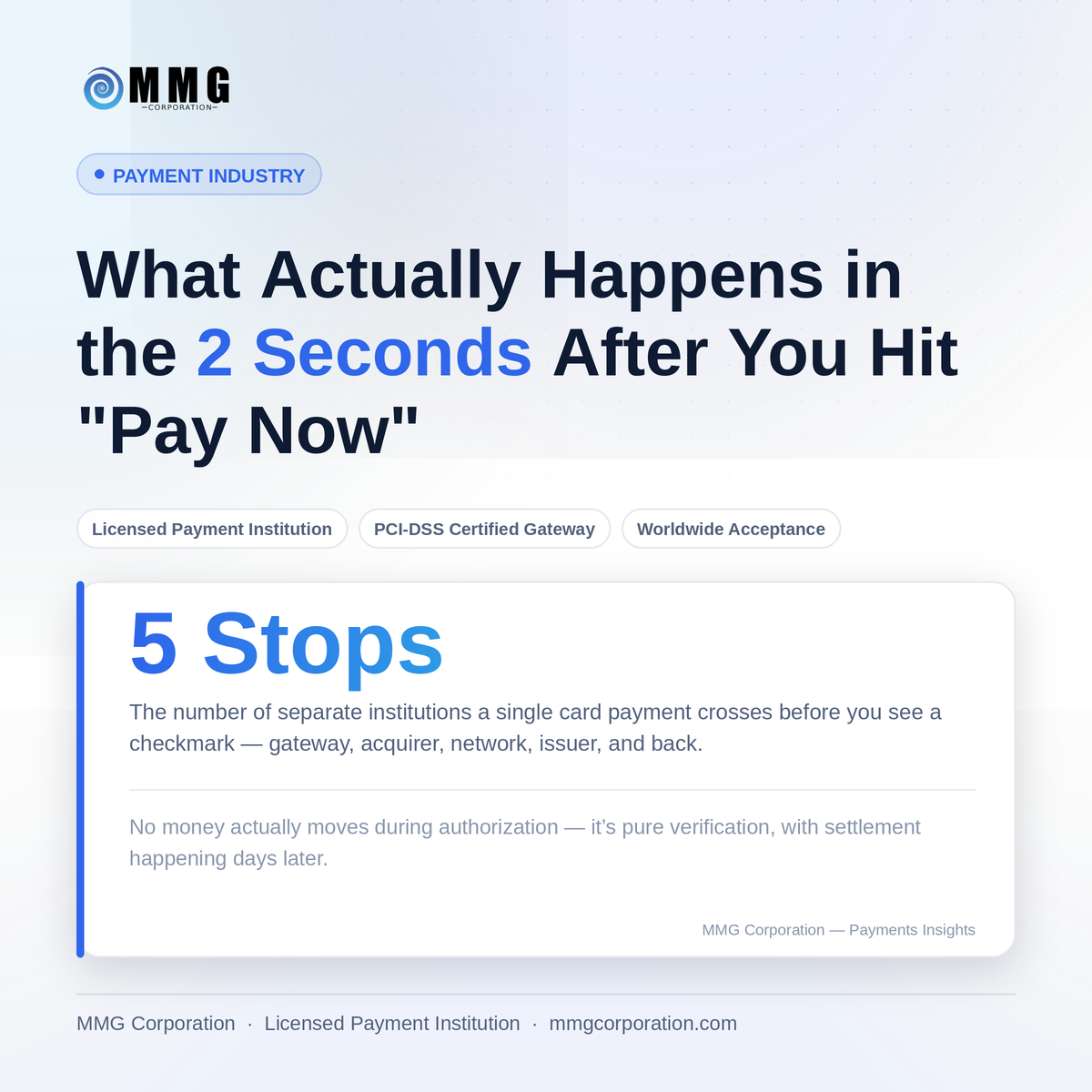
You've done it thousands of times without thinking about it. Underneath that spinner, a message is crossing five separate institutions, getting fraud-checked, and often authenticated — all in about a second.
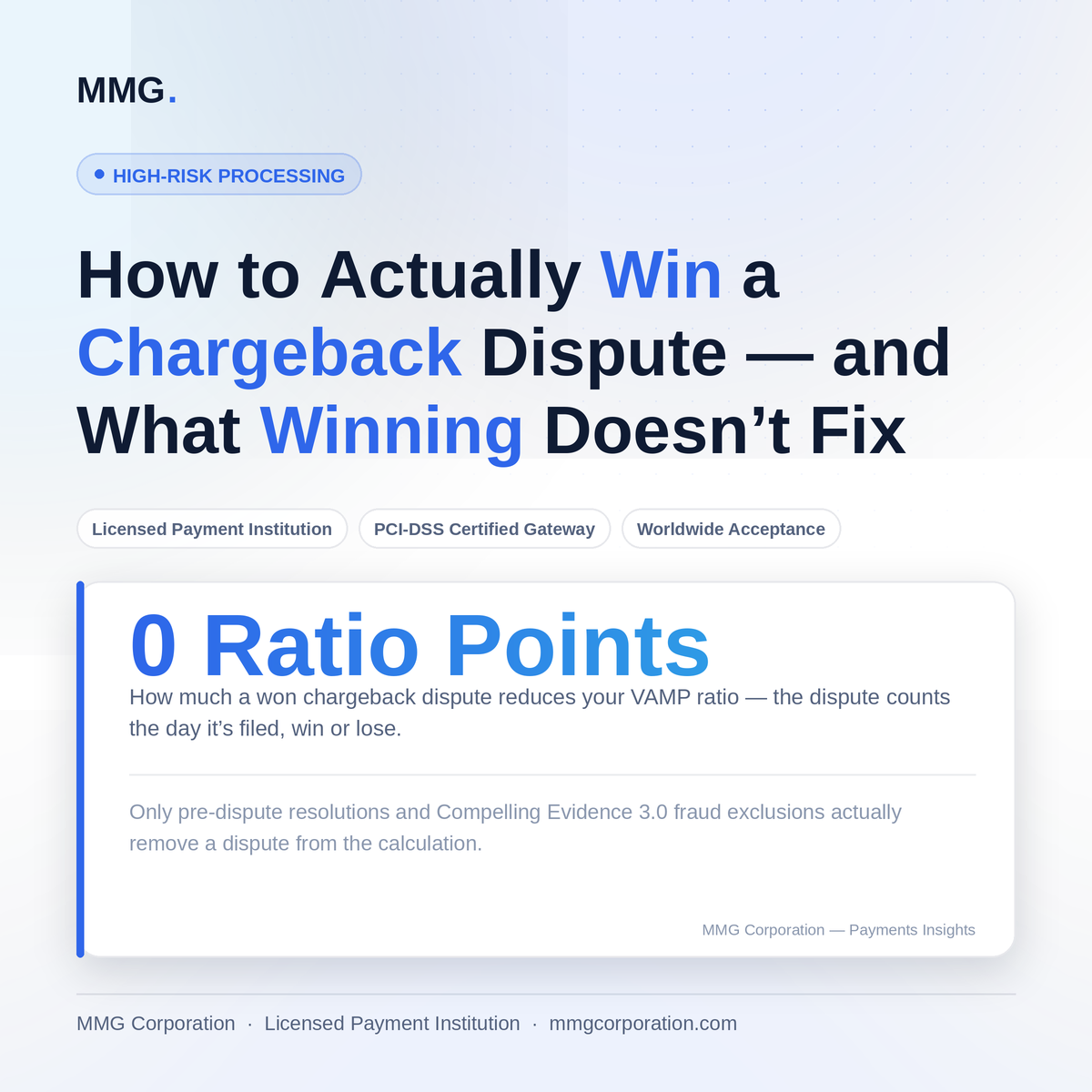
The average merchant wins about 45% of chargeback disputes. What almost nobody mentions: winning doesn't remove the dispute from your chargeback ratio. Here's what it actually does.
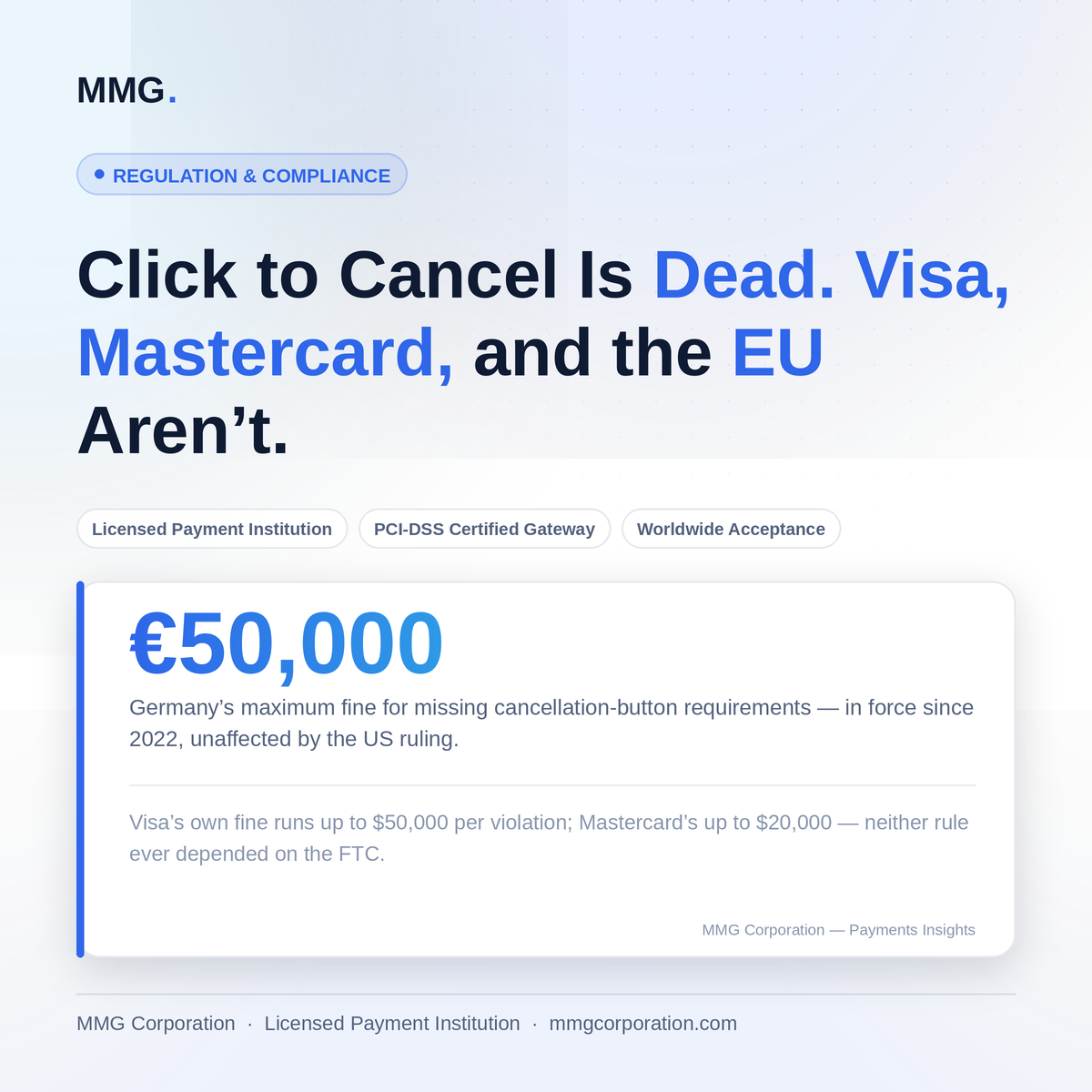
A US court struck down the FTC's subscription rule in 2025. Visa, Mastercard, and — increasingly — the EU's own cancellation-button laws were never tied to it, and never went anywhere.
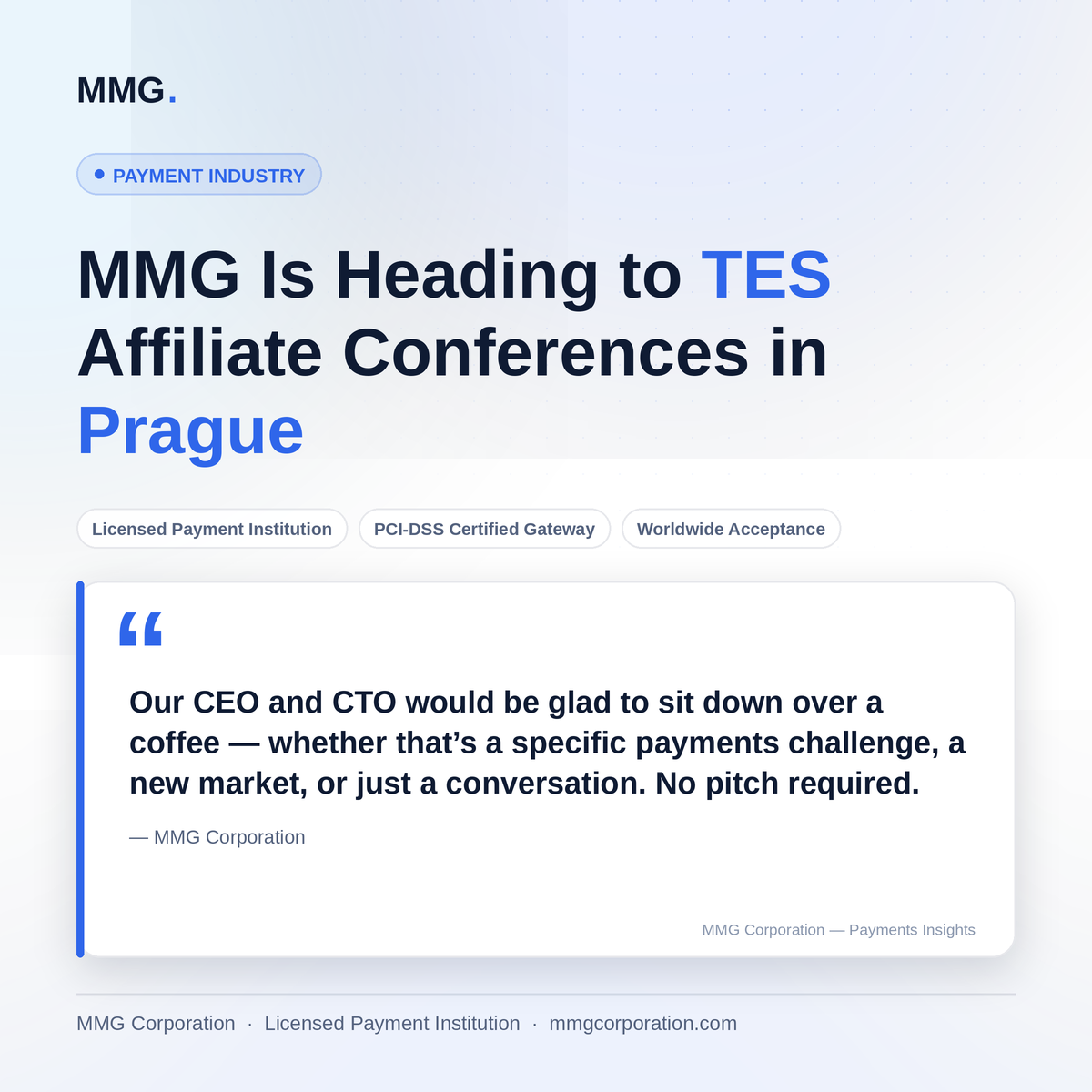
MMG is headquartered in Prague — so when TES Affiliate Conferences sets up in our home city this September, we're not the ones getting on a plane. Our CEO and CTO would be glad to grab a coffee.
Most comparisons of MoR vs. PayFac assume both are actually on the table. For a lot of high-risk merchants, one of them never was. Here's why — and the decision that matters more.
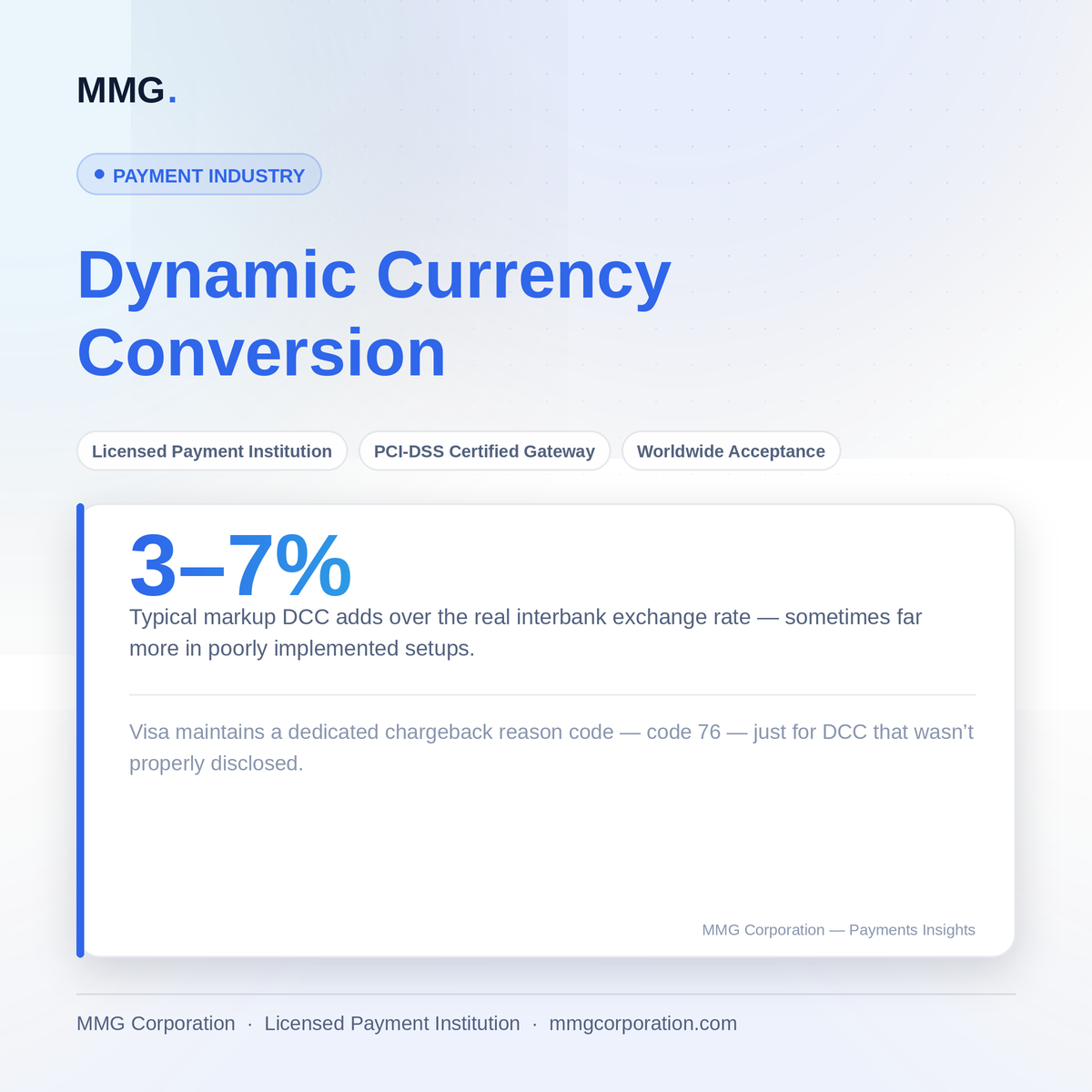
Would you like to pay in your own currency?" looks like a courtesy. It's a markup, typically 3-7% — and Visa maintains a dedicated chargeback reason code for when it's not handled properly. Here's how to get it right.
High-risk processors pay lifetime residuals for a warm introduction — not a pitch, a name and a way to reach them. Here's why relationships are structural to this industry, not just good manners, and what that means heading into conference season.
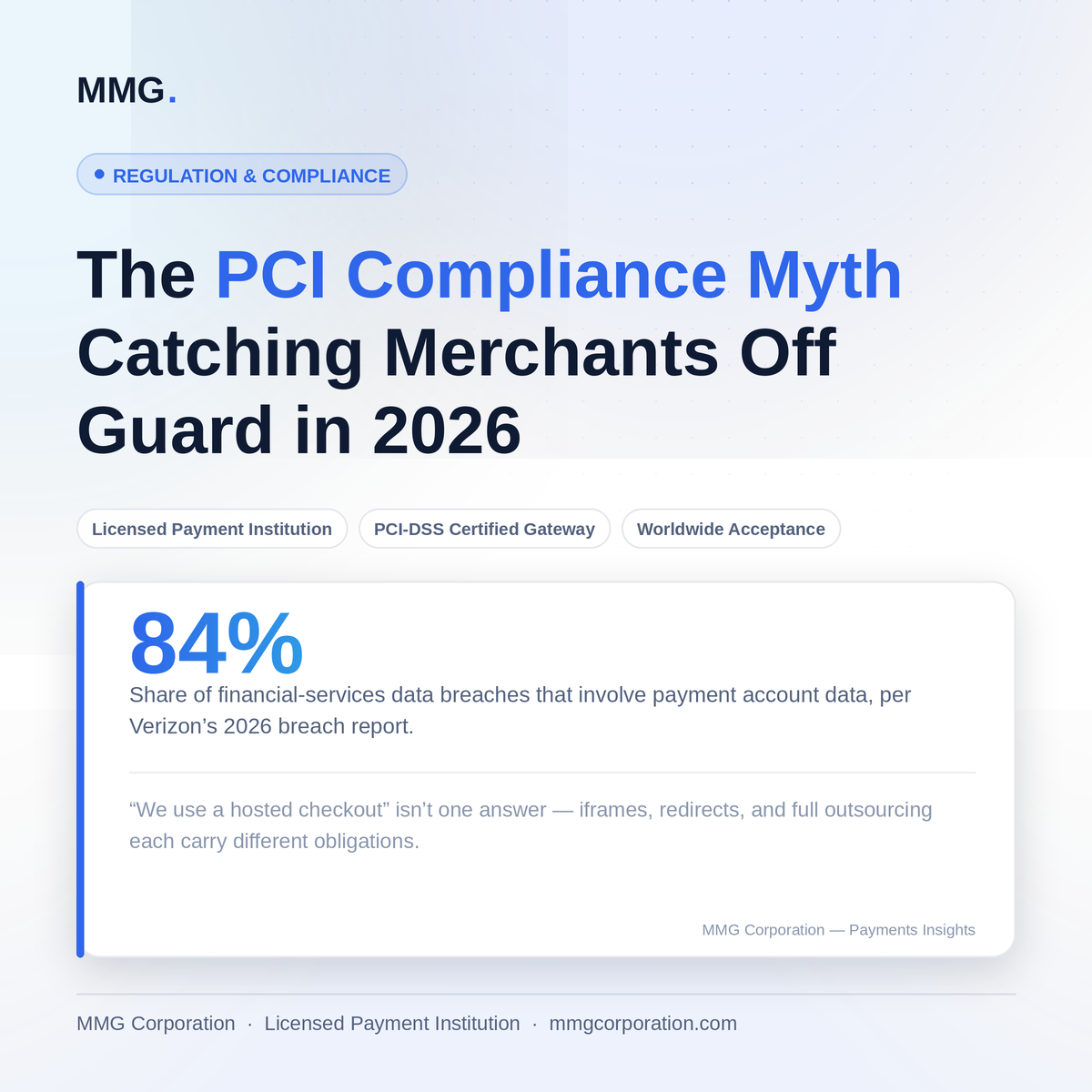
"We use a hosted checkout, so we're covered" is one of the most common — and most reliably wrong — sentences in payment compliance. Here's what actually determines your PCI obligations, and where merchants keep getting tripped up.
What It Takes to Re-qualify Two very different questions get asked in the same breath, almost every time this topic comes up: "Can I
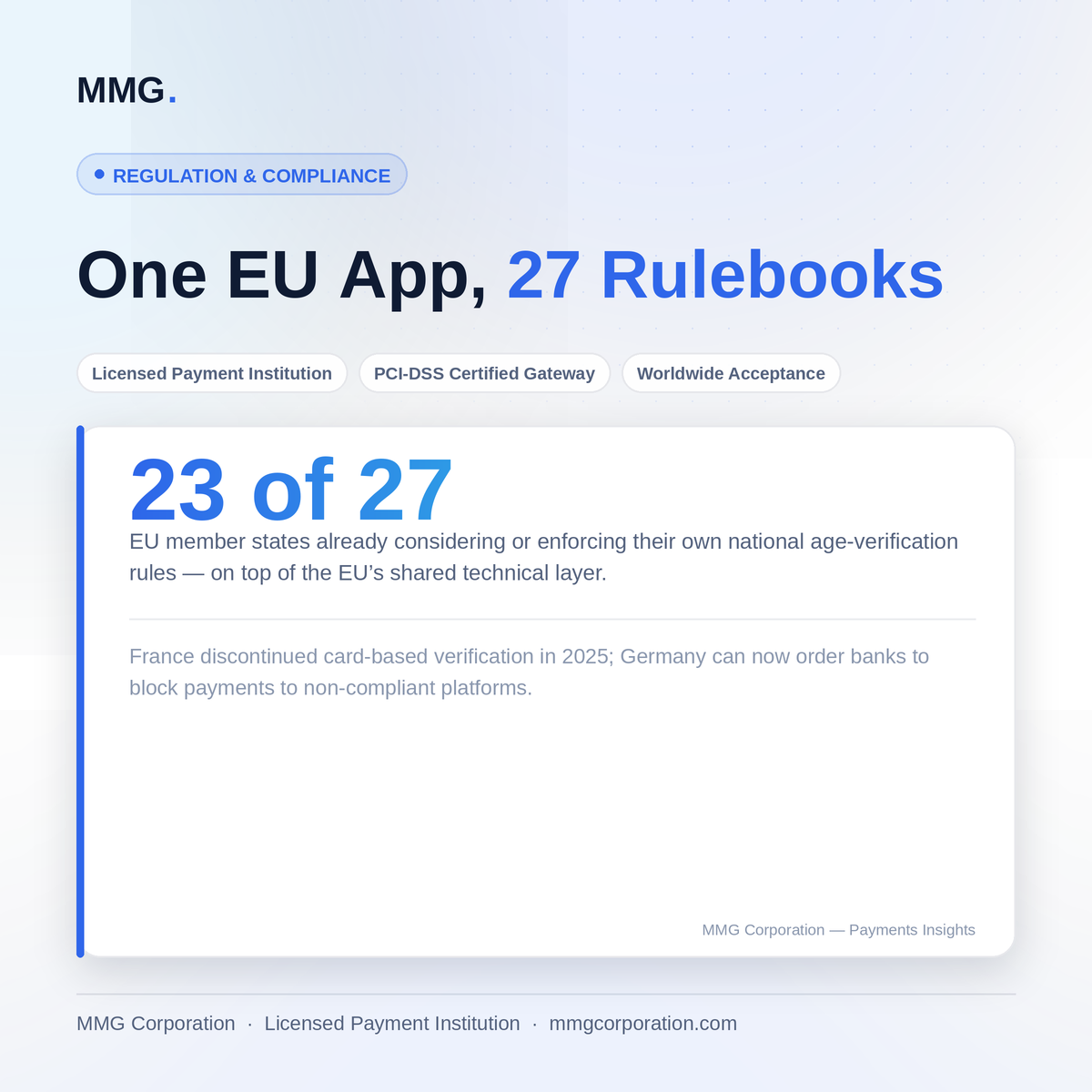
The EU built one age-verification app. It did not build one age-verification law. France, Germany, and Spain are already proving how different the national rules can get — and why that's a payments problem, not just a legal one.
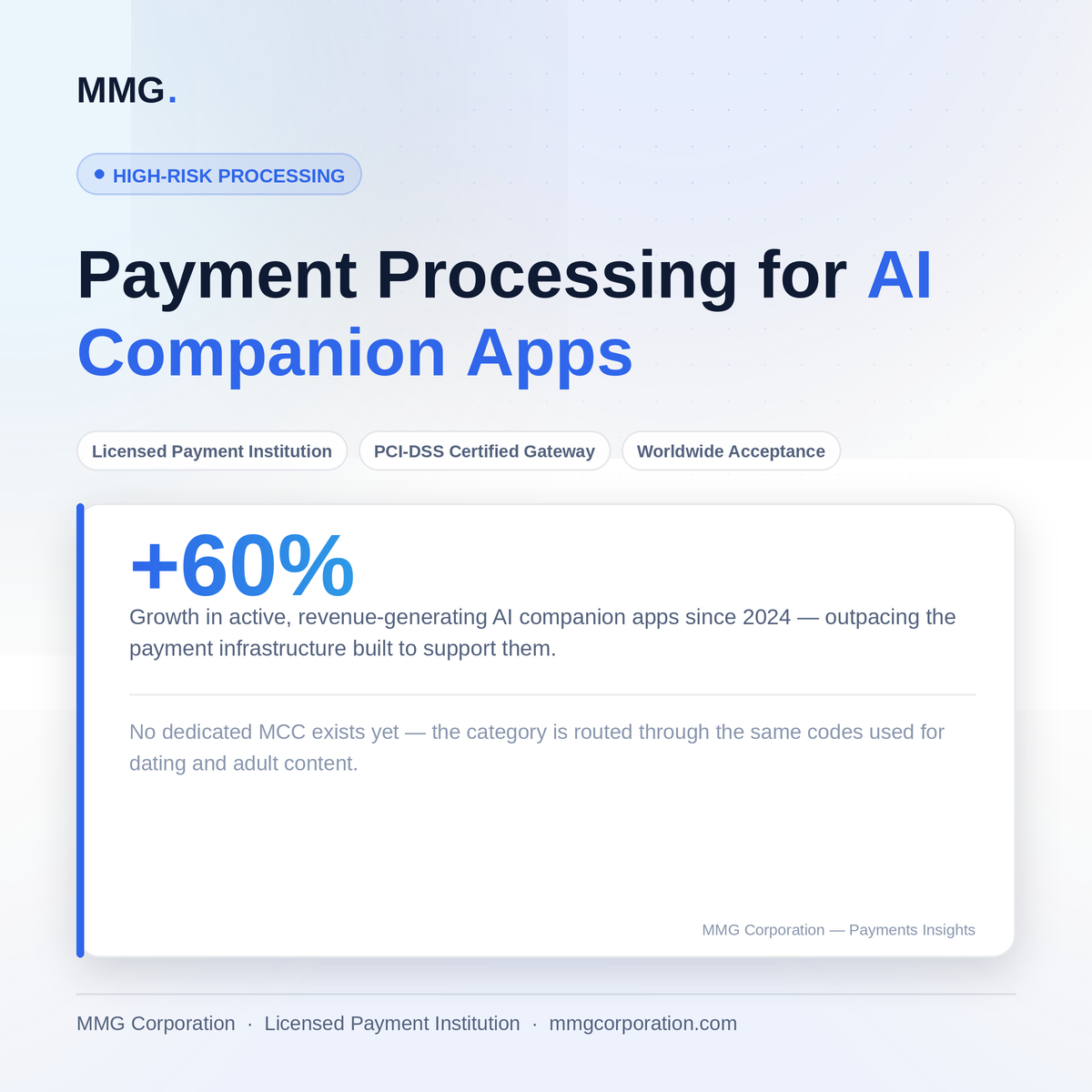
AI companion apps are one of the fastest-growing categories in tech — and one of the least prepared for how payments actually work in a high-risk vertical. Here's what the payment stack needs to look like.
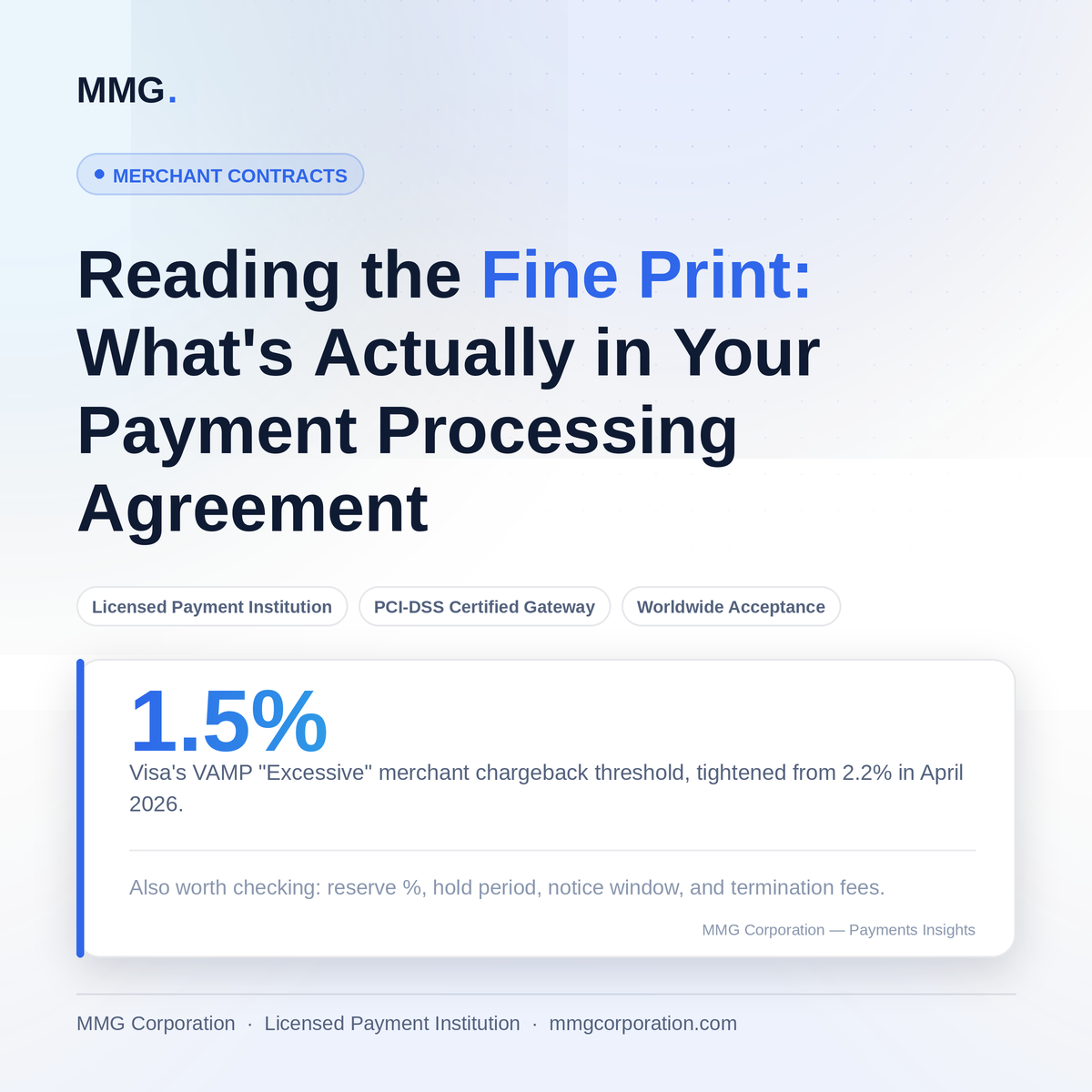
What's Actually in Your Payment Processing Agreement Most merchants read a processing agreement exactly once — the day they sign it, usually skimming past the
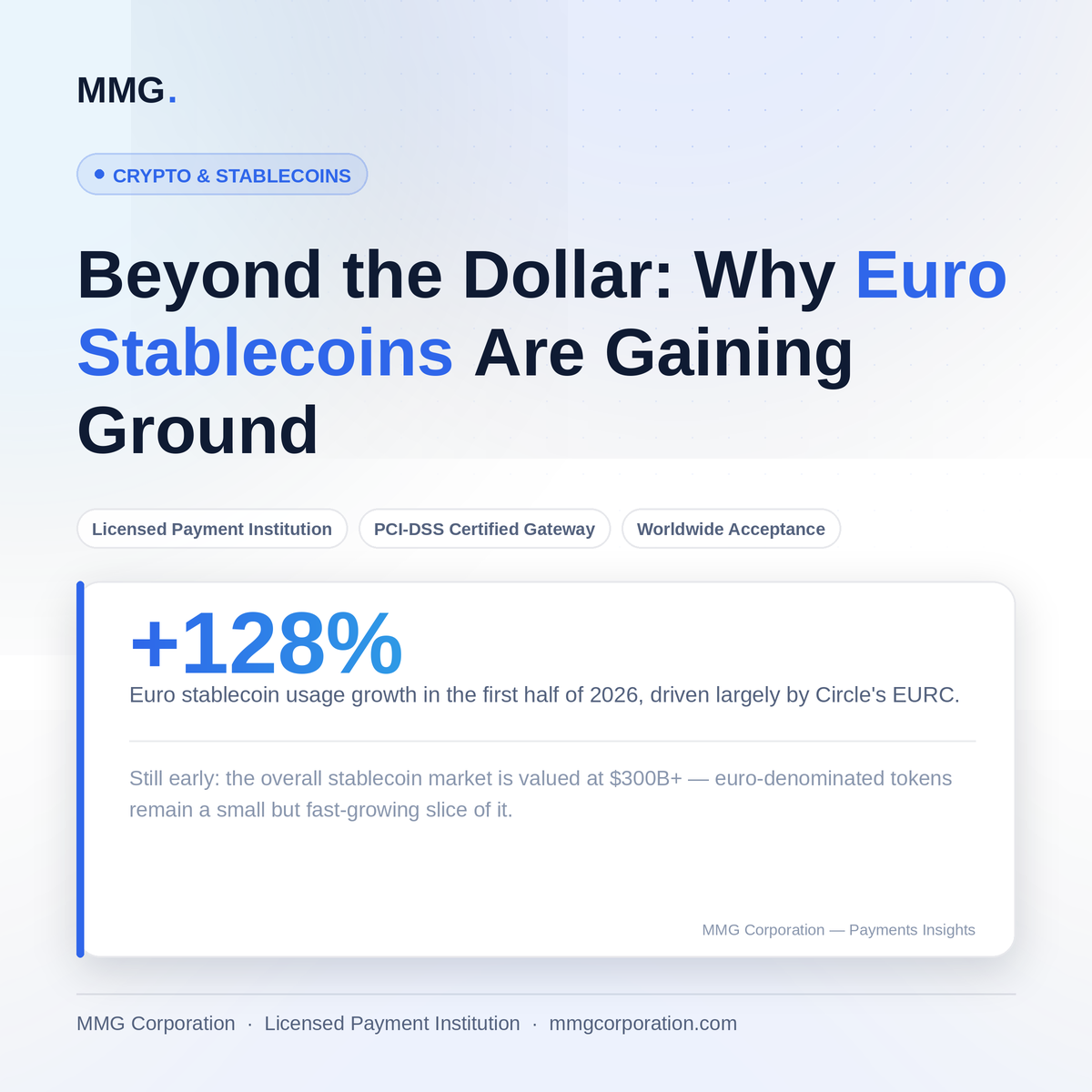
Why Euro Stablecoins Are Gaining Ground For as long as stablecoins have mattered to payments, they've meant dollars. Tether and Circle's USDC